Promotional products are branded items companies use to market their business, and they work better than you might think. These items range from simple pens and keychains to water bottles and tote bags. When done right, they can boost your brand awareness and keep your company top of mind with customers.
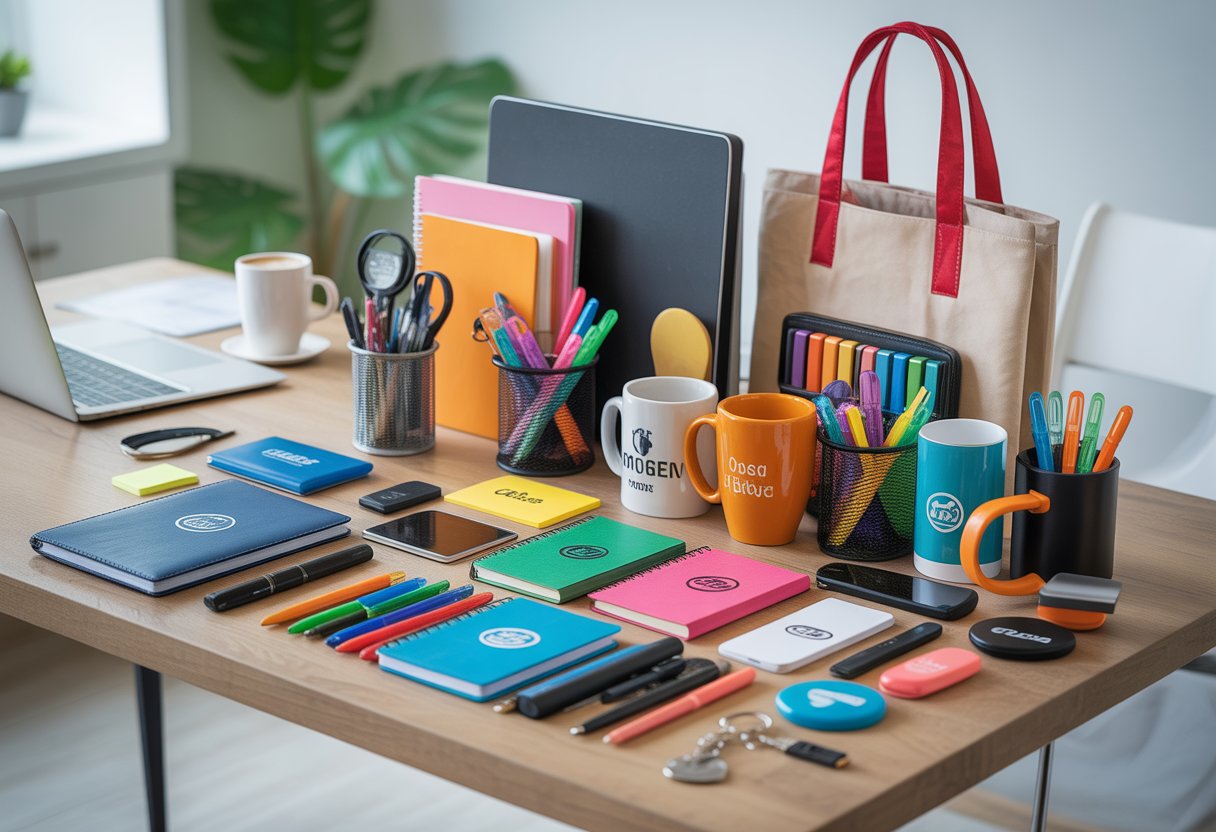
Research shows that most people keep promotional products for up to two years, and over half use them at least once a week. This means your brand message stays in front of potential customers long after the initial contact. The key is choosing products that people actually want to use in their daily lives.
Understanding the facts behind promotional products helps you make smarter marketing decisions. This article covers what makes these items effective, which types perform best, and how to use them in your marketing strategy. You’ll learn specific statistics about consumer behaviour and practical tips for getting the most value from your promotional product campaigns.
What Are Promotional Products?

Promotional products are physical items printed with your company’s logo, message, or branding that you distribute to customers, employees, or event attendees. These marketing tools range from simple pens and keychains to tech gadgets and premium gifts that keep your brand in front of people every day.
Definition and Purpose
Promotional products are tangible items that carry your company’s branding and serve as a direct connection between your business and your target audience. You might know them as branded merchandise, swag, or corporate giveaways.
The main purpose of promo products is to increase brand awareness and create lasting impressions with potential customers. When you give someone a useful item with your logo, they interact with your brand repeatedly each time they use it. This repeated exposure helps people remember your company when they need your products or services.
These items work as marketing tools that transform your brand message into something people can touch and use. Unlike digital adverts that disappear in seconds, promotional products stay with recipients for months or years.
Types of Promotional Items
Promotional products fall into several main categories based on their use and value:
Everyday essentials include pens, notepads, keychains, and USB drives. These items cost less to produce and work well for mass distribution at trade shows or community events.
Apparel and wearables feature t-shirts, caps, hoodies, and tote bags. These products turn your customers into walking advertisements when they wear or carry them in public.
Tech gadgets cover phone chargers, earbuds, and power banks. These higher-value items appeal to modern consumers and create stronger brand associations.
Drinkware encompasses water bottles, coffee mugs, and travel tumblers. These products get used daily and offer excellent visibility for your branding.
Branded Merchandise vs. Traditional Advertising
Promotional products differ from traditional advertising in how they deliver your marketing message. Traditional adverts like billboards, radio spots, or online banners interrupt people and disappear quickly. Branded merchandise stays with recipients and provides ongoing value.
You pay once for a promotional product, but it generates impressions for months or years. A pen or tote bag bearing your logo gets used repeatedly, creating hundreds of brand exposures from a single item.
Promotional items also create positive associations because you’re giving something useful rather than just asking for attention. People appreciate receiving functional products and often develop goodwill towards generous brands. This tangible connection makes promotional products more memorable than passive advertising methods.
The Lasting Impact and Effectiveness of Promotional Products

Promotional products deliver measurable results that extend far beyond their initial distribution. These items generate brand awareness, create lasting impressions through extended use, and directly influence how consumers interact with your business.
Brand Awareness and Recall
Promotional products rank amongst the most effective tools for building brand awareness in your marketing efforts. Research shows that 76% of people can recall the brand name on a promotional item they’ve received. This recall rate surpasses many traditional advertising methods.
The key to this effectiveness lies in the physical presence of these items. Unlike digital adverts that disappear in seconds, promotional products remain in view daily. A branded mug on someone’s desk or a tote bag carried to the shops puts your logo in front of multiple people repeatedly.
Key brand awareness statistics:
- 82% of recipients remember the branding on promotional items even months later
- Promotional products are the most highly viewed form of advertising amongst consumers
- Over 83% of people report that promotional items give them a positive impression of the brand
Longevity and Repeat Impressions
Promotional products offer exceptional longevity compared to other marketing strategies. Studies indicate that 87% of customers keep promotional items for more than a year. Some items like bags, drinkware, and quality pens remain in use for even longer periods.
This extended lifespan means your marketing campaign continues working long after the initial investment. Each time someone uses your promotional product, they see your brand. They also expose others to your logo and message during everyday activities.
The reasons people keep promotional products matter for your marketing tool selection. Research shows 69% keep items because of quality, 41% cite usefulness, and 16% mention style. These factors should guide your product choices to maximise retention and impact.
Influence on Consumer Behaviour
Promotional products directly affect how consumers make purchasing decisions and interact with brands. When you offer promotional merchandise as a gift with purchase, it sells more product than discounting alone. This demonstrates the tangible value consumers place on receiving branded items.
The impact extends to customer loyalty and satisfaction. More than 81% of people will actively use or keep a promotional item for a year or longer, creating ongoing touchpoints with your brand. This repeated exposure builds familiarity and trust over time.
Your promotional products work as relationship-building tools rather than simple giveaways. They create positive associations that influence future buying decisions and strengthen connections between consumers and your brand.
Key Facts and Statistics About Promotional Products

Promotional products deliver measurable results across retention, business growth, and brand visibility. Research shows that 44% of recipients keep promotional items for more than a year, whilst these products generate an average of 1,300 impressions throughout their lifespan.
Retention Rates and Usage
Your promotional products have a strong chance of staying with recipients for extended periods. Studies reveal that 44% of people keep promotional items for more than a year, whilst 65% of consumers currently own between 1 and 5 promotional products.
The key to retention is usefulness. Seventy-seven percent of consumers say they keep promotional products because they’re useful. Health and safety products, computer accessories, and writing instruments rank amongst the most valued items.
When you choose practical items, you increase the likelihood that your target consumer group will keep and use them regularly. This repeated exposure reinforces your brand message without requiring additional investment. The longevity of these products makes them cost-effective compared to traditional advertising that requires continuous spending.
Business Growth and ROI
Promotional products offer exceptional return on investment compared to other marketing channels. The cost per impression for promotional items remains significantly lower than digital or print advertising.
Your branded merchandise generates substantial business impact. Promotional products create lasting impressions that translate into customer loyalty and increased sales. Companies that use promotional items effectively see improved brand recognition and customer engagement.
The effectiveness stems from tangibility. When you give someone a physical product, you create a memorable interaction that digital ads cannot replicate. This physical connection builds stronger relationships with your target consumer group. Research indicates that 82% of marketers identify useful and durable products as the most effective promotional items.
Pass-Along Effect and Impressions
A single promotional product reaches far beyond its initial recipient. Each item generates an average of 1,300 impressions over its lifespan, extending your brand’s reach without additional cost.
The pass-along effect multiplies your marketing impact. When recipients share or pass on promotional products to others, your brand gains exposure to new potential customers. This organic spread creates a ripple effect that amplifies your initial investment.
Consumer interest in promotional products remains high. Ninety-six percent of consumers want to know beforehand if a company offers promotional products. This statistic shows that promo products attract attention and boost customer engagement when you clearly communicate their availability.
Popular Promotional Product Categories
Writing instruments, computer products, and health and safety products rank as the most useful promotional items that people keep. Different product categories serve different marketing goals, from everyday wearables to eco-conscious alternatives.
Wearables and Apparel
T-shirts remain one of the most popular promotional products because people wear them regularly in public. Your logo gets repeated exposure every time someone wears your branded shirt to the gym, shops, or casual events. Logoed outerwear like jackets and hoodies provides even more visibility during colder months.
Bags are another strong choice for wearables. People carry tote bags, rucksacks, and messenger bags daily for work, shopping, and travel. This creates constant brand exposure in varied settings.
The key advantage of apparel is its large imprint area. You can display your logo prominently where others will see it. Quality matters with clothing items—people keep and wear well-made apparel far longer than cheap alternatives.
Drinkware and Mugs
Drinkware ranks highly for usefulness, which is why 77% of consumers keep promotional products. Water bottles are particularly valuable because people use them at work, the gym, and whilst travelling. They’re practical items that get daily use.
Logoed mugs sit on office desks and kitchen counters, providing regular brand reminders. Every morning coffee or afternoon tea becomes a touchpoint with your brand. Ceramic, glass, and stainless steel options let you match the product quality to your brand image.
The reusable nature of drinkware makes it popular. People appreciate items they’ll actually use rather than throw away. Insulated bottles and travel mugs add extra functionality that increases their value.
Writing Instruments and Stationery
Pens are amongst the most common promotional products for good reason—they’re affordable, useful, and easy to distribute. Writing instruments end up in pockets, handbags, and desk drawers where people reach for them multiple times daily. Everyone needs a pen at some point.
Stationery items like notepads, calendars, and sticky notes extend your brand’s desk presence. Calendars provide year-round visibility on office walls or desks. These items work well for businesses targeting professional audiences.
The low cost of writing instruments lets you order larger quantities. You can hand them out freely at events, include them in mailings, or leave them at reception desks. Their small size makes them easy to transport and store.
Tech and Eco-Friendly Items
USB drives and computer products meet practical needs in today’s digital workplace. Phone chargers, wireless earbuds, and mouse pads combine technology with daily utility. These items typically cost more but create a stronger impression with recipients.
Eco-friendly promotional products appeal to environmentally conscious consumers. Bamboo pens, recycled bags, and reusable straws align your brand with sustainability values. This category is growing as more people prioritise environmental concerns.
Health and safety products gained importance in recent years. Hand sanitisers, face masks, and antibacterial keychains show your brand cares about wellbeing. These practical items get frequent use, especially in healthcare, education, and public-facing industries.
Industry Trends and Buyer Insights
The promotional products industry generates £27.8 billion in annual sales across the United States, with specific sectors and demographics driving most of this growth. Understanding which industries invest heavily in branded merchandise and how different age groups respond to promotional items helps you make smarter decisions about your marketing spend.
Top Industries Using Promotional Products
Financial services, healthcare, and technology companies lead the market as the biggest buyers of promotional merchandise. These sectors rely on branded items to build trust and maintain visibility with clients throughout the year.
Manufacturing and education follow closely behind. Schools and universities use promotional products for recruitment events, alumni programmes, and fundraising campaigns. Manufacturing companies distribute branded safety equipment and trade show giveaways to strengthen relationships with distributors and clients.
Small businesses have increased their promotional product spending by 15% in recent years. They favour cost-effective items like pens, tote bags, and drinkware that offer maximum impressions within limited budgets.
Demographic Preferences
Younger consumers between 18 and 34 years old prefer eco-friendly and technology-related promotional items. They keep branded power banks, reusable water bottles, and sustainable tote bags longer than traditional giveaways.
Adults aged 35 to 54 value practical items they can use daily at work. This target consumer group responds well to quality pens, notebooks, and desk accessories. They’re more likely to remember your brand when the product serves a clear purpose.
Older demographics appreciate comfort items and health-related products. Blankets, stress balls, and wellness items resonate strongly with consumers over 55 years old.
Research shows that 65% of people keep promotional items because they find them useful. The average promotional product generates 1,300 impressions throughout its lifespan.
Trade Shows and Events
Trade shows remain the primary distribution channel for promotional products, accounting for nearly 40% of all branded merchandise usage. Companies spend more on promotional product tradeshow giveaways than any other marketing category because face-to-face interactions create lasting impressions.
The Promotional Products Association International (PPAI) reports that attendees visit trade show booths specifically to collect branded items. Popular giveaways include USB drives, tote bags, and charging cables that attendees use immediately.
Events beyond traditional trade shows have grown in importance. Corporate conferences, charity runs, and community festivals now drive significant promotional product demand. These settings allow you to reach your target consumer group in relaxed environments where they’re more receptive to your message.
Best Practices for Promotional Products Marketing
Success with promotional products marketing requires careful selection of items that resonate with your target audience and seamless integration with your overall marketing efforts.
Choosing the Right Items for Your Audience
Your promotional gifts must align with your audience’s lifestyle and preferences. Research your target demographic to understand what items they’ll actually use in their daily lives. A tech company might distribute USB drives or phone accessories, whilst a fitness brand could offer water bottles or gym towels.
Quality matters more than quantity. Recipients will associate your branding with the product’s durability and usefulness. A well-made item that lasts creates positive brand impressions over time.
Consider these factors when selecting promotional products:
- Relevance – Does the item match your industry?
- Practicality – Will recipients use it regularly?
- Budget – Can you afford quality items for your target number?
- Brand alignment – Does it reflect your company values?
The most effective promotional products are those people keep and use. Items like pens, bags, and drinkware consistently deliver high impression rates because they integrate naturally into daily routines.
Integration With Broader Marketing Strategy
Promotional products work best as part of a coordinated marketing campaign rather than standalone efforts. Your promotional products marketing should reinforce messages from your digital advertising, content marketing, and other channels.
Time your distribution strategically. Launch promotional gifts alongside product releases, at trade shows, or during seasonal campaigns to maximise impact. This coordination strengthens your overall marketing strategy and creates multiple touchpoints with potential customers.
Track your results by using unique codes, custom URLs, or survey questions that identify which promotional items drove engagement. This data helps you refine future marketing efforts and allocate budget effectively.
Your promotional products should feature consistent branding elements—logos, colours, and messaging—that match your other marketing materials. This consistency builds brand recognition and reinforces your position in customers’ minds. Don’t treat promotional items as separate from your core marketing campaign; they’re tools that amplify your broader message.
Frequently Asked Questions
Promotional products raise important questions about their effectiveness, value, and impact on marketing campaigns. Understanding how these items influence brand recognition, deliver returns, and align with audience preferences helps businesses make informed decisions about their promotional strategies.
How effective are promotional products in enhancing brand recognition?
Promotional products create strong brand recognition because people keep and use them regularly. Studies show that 74% of people keep promotional gifts and use them on a regular basis. This repeated exposure keeps your brand visible in everyday situations.
The tangible nature of promotional items makes them more memorable than digital advertisements. When someone uses a branded pen or drinks from a branded water bottle, they interact with your logo multiple times throughout the day. This consistent contact reinforces brand awareness far more effectively than a single advertisement.
What are the key benefits of using promotional items as part of a marketing strategy?
Promotional products offer cost-effective marketing that reaches large audiences. They create lasting impressions because recipients physically hold and use the items, which makes the brand experience more tangible and memorable.
About 58% of people enjoy receiving promotional products from brands. This positive reception builds goodwill between businesses and potential customers. The items serve as constant reminders of your company without requiring additional marketing spend after the initial distribution.
Promotional merchandise works particularly well for specific industries. Education, finance, not-for-profit, healthcare, and construction sectors are the top five buyers of promotional products, showing their proven value across diverse markets.
What criteria should be considered when selecting promotional merchandise for a campaign?
Usefulness ranks as the most important factor when choosing promotional products. Seventy-seven per cent of consumers say a promotional product’s usefulness is the number-one reason to keep it. Health and safety products, computer products, and writing instruments rank as the most useful categories.
Your target audience should guide your product selection. Different demographics respond better to specific items based on their lifestyles and needs. Consider what items your audience will genuinely use rather than items that might end up in a drawer.
Budget and distribution method also affect your choices. Some products cost more to produce or ship than others. You need to balance quality with quantity to maximise your campaign’s reach whilst maintaining a professional brand image.
Can promotional products provide a good return on investment compared with other advertising methods?
Promotional products deliver strong returns because they create multiple impressions over extended periods. Unlike digital ads that disappear after a few seconds, physical items remain with recipients for months or years. This extended exposure provides ongoing marketing value from a single purchase.
The cost per impression for promotional products typically beats traditional advertising channels. Each time someone uses your branded item, it generates a brand impression at no additional cost. This makes promotional merchandise one of the most cost-effective marketing tools available.
Promotional products also generate impressions beyond the initial recipient. When someone carries a branded tote bag or uses a branded water bottle in public, other people see your logo as well. This secondary exposure adds value without extra spending.
How does the choice of promotional items vary with different target audiences?
Different audiences prefer different types of promotional products based on their daily activities and lifestyles. Office workers value computer accessories and writing instruments, whilst outdoor enthusiasts appreciate items like water bottles and sports gear.
Age groups respond to different product categories as well. Younger audiences often favour technology-related items and trendy accessories. Older demographics typically prefer practical items they can use at home or work.
Professional contexts require more sophisticated promotional items than casual settings. Trade show attendees expect higher-quality products that reflect your brand’s professionalism, whilst community event participants may appreciate simpler, fun items.
What are the environmental impacts of promotional products and how can sustainability be incorporated?
Traditional promotional products often create waste when they’re made from non-recyclable materials or have short lifespans. Low-quality items that break quickly end up in landfills, which damages your brand reputation amongst environmentally conscious consumers.
Sustainable promotional products use recycled materials, biodegradable components, or renewable resources. Bamboo pens, organic cotton tote bags, and recycled plastic water bottles offer eco-friendly alternatives that align with environmental values.
Choosing durable, high-quality items reduces environmental impact regardless of material. Products that last longer create less waste and provide better value. This approach benefits both the environment and your marketing goals by keeping your brand visible for extended periods.
Looking for Branded Merchandise for your next marketing campaign?
Call us on 0151 650 6969
Or use our Contact Form